







Search Results for: brewing with less coffee grounds
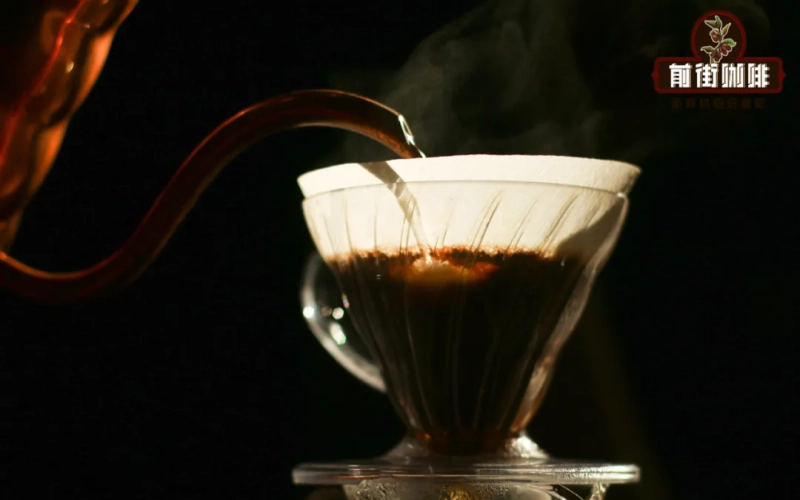
How to adjust brewing when less than 15 grams of coffee beans remain? Analysis of small-dose extraction techniques and bean-saving ideas for conical drippers
Many times, when a bag of coffee beans is nearing its end, there are always less than 15 grams of scattered beans left, which is neither enough for the usual single-serving dose nor enough to blend with other beans to make up the number. If you don't want to waste them, you need to find a way to fully extract the value from these few beans. When the dose is on the low side, the brewed coffee tends to be under-extracted, because the coffee bed becomes thinner, the amount of water poured decreases, and the contact time between hot water and coffee grounds is shortened. If a conical dripper is used, bypass water can also easily dilute the coffee liquid. In response to these difficulties, Front Street shares two approaches in this article to help everyone brew a good cup even with less than 15 grams of coffee beans. [more…]
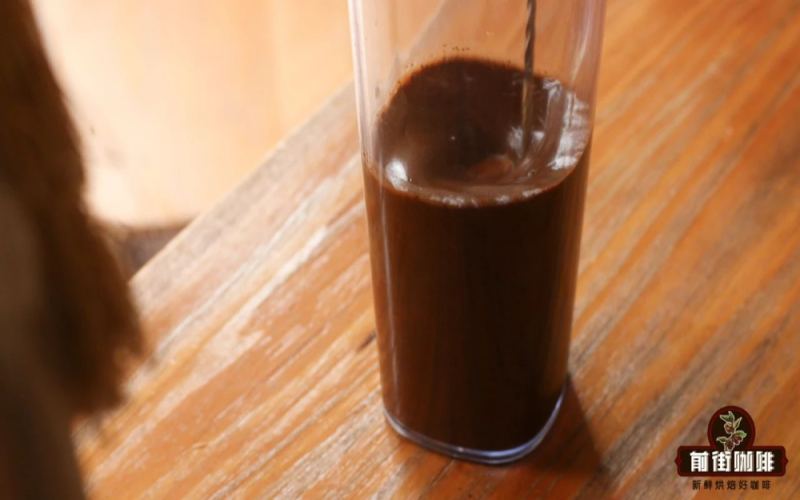
Why Is Cold Brew Coffee Less Sour and Astringent? A Full Breakdown of the Steps and Shelf Life
Cold brew coffee, with its smooth and mellow flavor, has become increasingly favored by coffee enthusiasts in recent years. Unlike hot water brewing, cold brew uses room-temperature water mixed with coffee grounds and undergoes a long, low-temperature extraction, releasing fewer acidic compounds and bitter components, resulting in a more balanced overall taste. So how do you make a delicious cup of cold brew? From the grinding parameters for Front Street Coffee's Costa Rica Mozart coffee beans, to the coffee-to-water ratio, refrigeration time, and the optimal drinking window under different extraction methods, this article will break it all down for you one by one. [more…]
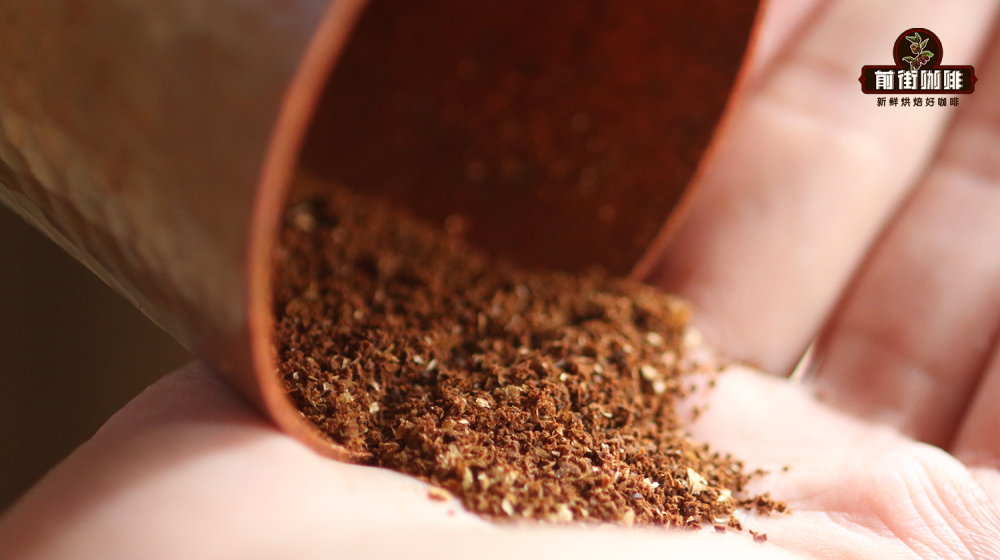
Cold Brew Coffee Shelf Life | Why Is Cold Brew Coffee Less Acidic? How Long Can Cold Brew Coffee Be Stored? How to Make Standard, Delicious Cold Brew Coffee at Home?
For more specialty coffee knowledge, please follow: Front Street Coffee (Frontsteet Coffee) If someone hands you a cup of hot coffee and a cup of iced coffee, you will taste two different flavors, because when making coffee, changing the temperature affects how much soluble material water extracts. Compared with high-temperature hot [more…]
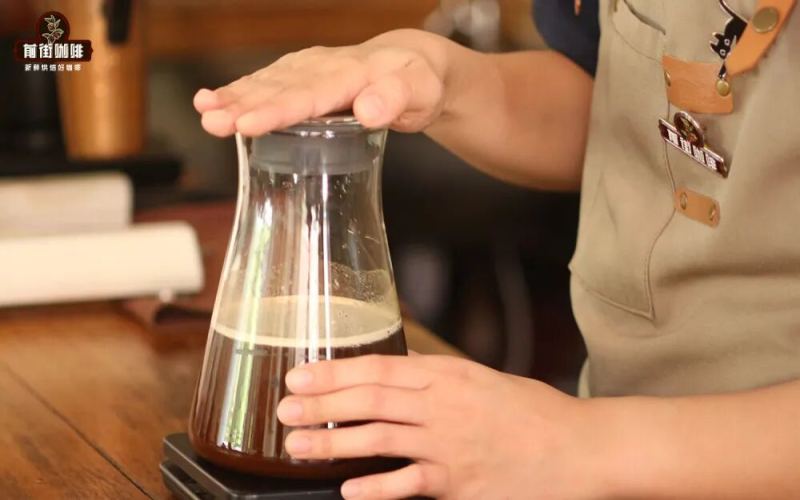
Cold brew coffee: room temperature water or warm water? Explaining why low-temperature extraction produces less acidity and a practical guide to fast extraction with warm water
Cold brew coffee has always been known for its long, low-temperature steeping, often requiring 5 to 24 hours when made with room-temperature water. To shorten the wait, some people have tried steeping coffee grounds in warm water. This article explores the differences between cold-water and warm-water extraction, the reasons why cold brew has lower acidity, and a warm-water cold brew comparison test using Front Street Coffee's Elida Catuai. It records the sensory differences between 3 hours in 45℃ warm water and 7 hours in room-temperature water, and offers bean selection advice and practical tips for warm-water cold brew. [more…]
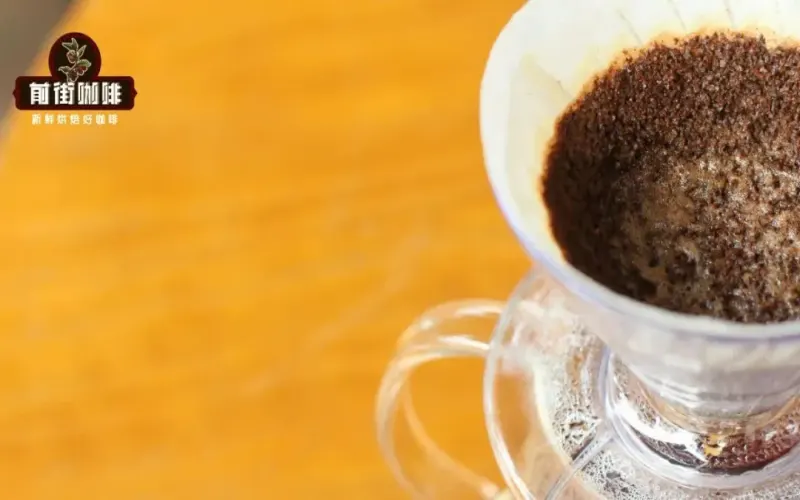
Why Do Anaerobic Process Coffee Beans Drain Faster? Master Grind Adjustment Strategies to Extend Extraction Time
Have you ever encountered a situation like this: using the same brewing parameters, regularly processed coffee beans complete extraction in about 2 minutes, but when you switch to anaerobically processed beans, the process always finishes early—dripping through in 1.5 minutes or even less? The resulting coffee tastes bland and thin-bodied, a classic sign of under-extraction. Why do anaerobic beans drain so quickly? The core reason is that anaerobic fermentation alters the internal structure of the coffee beans, making them more porous, less dense, and more brittle at the same roast level. After grinding, the particles tend to be coarser with larger gaps, so hot water meets less resistance as it passes through the coffee bed. To solve this problem, the key is to extend the contact time between hot water and coffee grounds. This article will start from how anaerobic processing affects bean structure, combine it with Front Street Coffee's hands-on experience, focus on specific methods for extending extraction time by grinding finer, and offer ideas for subsequent fine-tuning. [more…]
What Are the Flavor Differences Between Cold Brew and Pour-Over? Cold Extraction Has Higher Caffeine—Front Street Coffee Teaches You How to Choose Beans
Why do the same coffee beans taste so completely different when made as cold brew versus pour-over? The key lies in the extraction temperature. Pour-over uses hot water to quickly release the coffee's rich aromas and layers, while cold brew relies on a long, low-temperature steep, delivering a sweet, crisp, and refreshing taste—though with slightly less fullness of flavor. Low-temperature extraction also reduces bitter compounds, but it also results in a higher caffeine content. Using Front Street Coffee's light-roast washed Yirgacheffe Geddid as an example, we compare hot pour-over, cold brew, and iced pour-over to analyze why the flavors differ, and offer coffee bean recommendations suitable for home cold brew and pour-over. [more…]
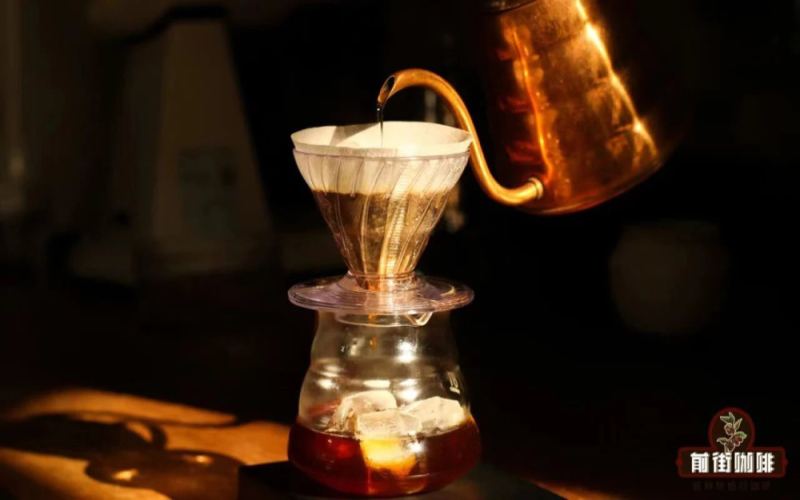
How Fine Should You Grind for Pour-Over Coffee? A Comprehensive Analysis of Flavor Differences from Particle Size to Sieve Pass-Through Rate
Grind size is one of the most critical variables in pour-over coffee—it determines the contact area between water and coffee grounds, and also influences extraction time and the final flavor. This article will systematically sort out the logical relationship between grind size and extraction yield, tell you what kind of taste will appear in the cup when the grind is too fine or too coarse, and also introduce how to use a 0.85mm sieve to calibrate the passing rate, and give specific grinding recommendations for beans with different roast levels. If you do not want to buy an extra sieve, the article also categorizes five levels—extra fine, fine, medium-fine, medium, and coarse—so you can quickly find the right setting by comparing it with your own brewing device. [more…]
How to Make Clean Coffee Without a Paper Filter? A Full Analysis of Immersion Brewing Time and Its Differences from Pour-Over
Have you ever suddenly found yourself out of filter paper while brewing coffee at home—does that leave you completely stuck? Actually, that's not the case. Filter paper is indeed indispensable for pour-over and other drip-style extractions, but if you switch to immersion extraction, its role becomes optional. Immersion extraction means fully steeping the coffee grounds in water. The extraction efficiency gradually slows as the water temperature drops and the concentration difference decreases, so over-extraction is less likely, the margin for error is higher, and the mouthfeel is fuller. Even without any filtering tool, as long as you master a few small techniques, you can still brew a clean, grit-free cup of coffee. In this article, Front Street Coffee will use a native variety from Ethiopia's Kafa Forest, relying on just two containers and a spoon, to test the entire process of filter-free immersion extraction, and compare the core differences between immersion and drip methods. [more…]
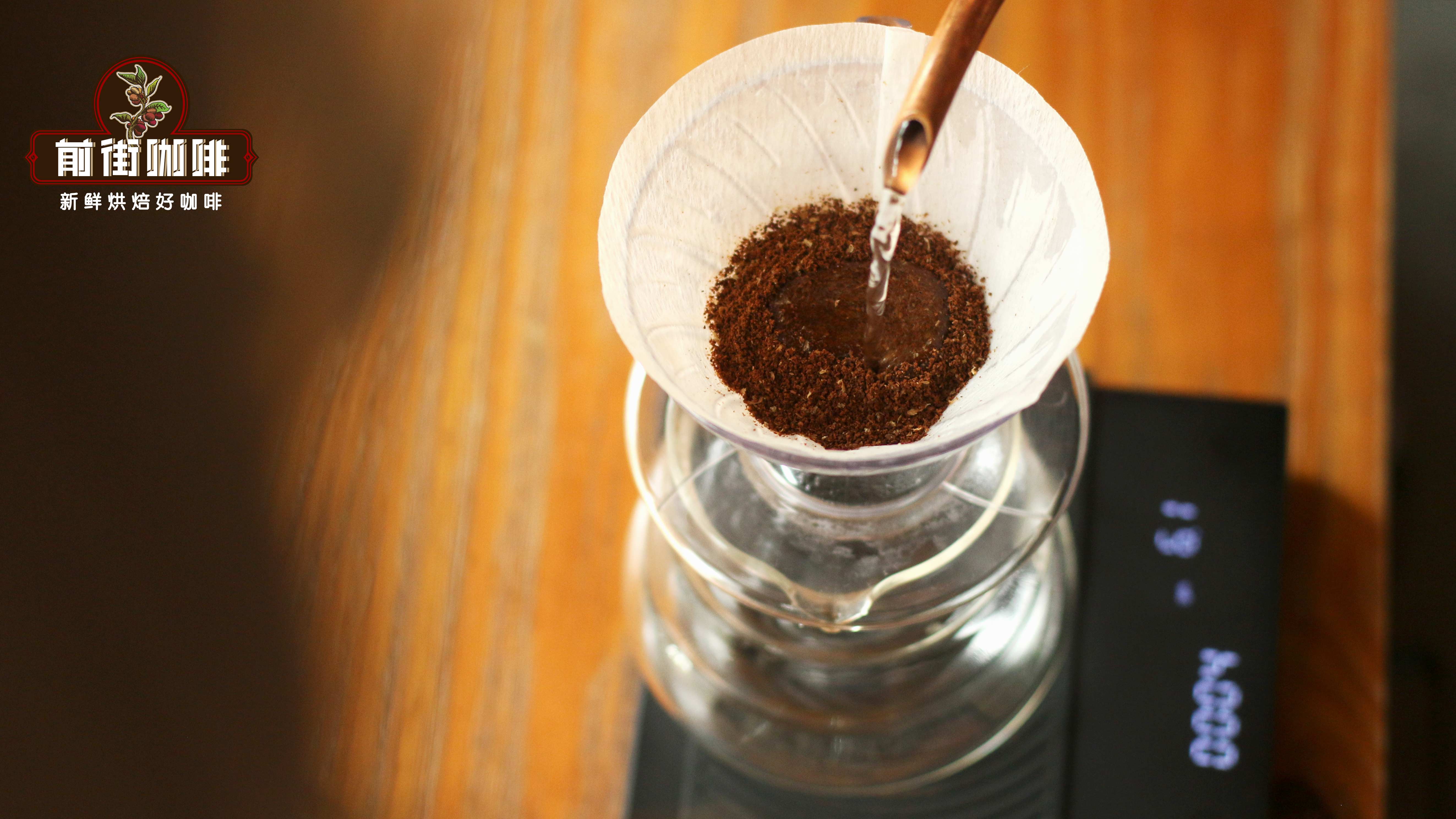
How Do Blooming Water Volume and Time in Pour-Over Coffee Affect Flavor, and an Analysis of the Brewing Process
The first step in pour-over coffee is usually the bloom. How much water is poured at this step and how long it lasts will directly affect the final flavor profile. This article analyzes the purpose of the bloom, the saturation water absorption of coffee grounds, and the differences in water absorption among beans of different roast levels. It explains why most tutorials recommend pouring water at twice the coffee dose, while also explaining why in practice some coffee liquid still drips into the server ahead of time. The article also combines specific beans such as Front Street. Golden Mandheling, Front Street. Queen's Estate, Front Street. Washed Yirgacheffe Giddingding, and Front Street. Natural. Flower Queen to offer flexible adjustment ideas for 1.5 to 2 times the water amount, and discusses the influence of pouring technique and bean freshness on water absorption, helping enthusiasts find a bloom method that better suits the bean's characteristics. [more…]
A Complete Guide to Espresso: From Boiler Systems to Milk Frothing and Latte Art — Professional Fundamentals
Want to systematically master the underlying logic of espresso? This article provides a complete overview of the core knowledge system of espresso, from equipment principles to practical details. It first deeply analyzes the differences between four types of boiler heating systems and their impact on extraction stability, then explains one by one the selection of steam wands, the structure of grinder burrs, the matching principles of tampers, and key points for choosing latte art pitchers. In the materials section, it focuses on comparing the roasting differences between Northern and Southern Italian-style coffee beans and the logic for selecting suitable milk. Finally, it focuses on the five major variables of extraction and the six factors of milk frothing, and explains in detail the techniques for integrating coffee and milk foam. The full text balances theoretical depth with operational guidance, making it suitable for coffee enthusiasts who want to solidify their foundations to read carefully. [more…]
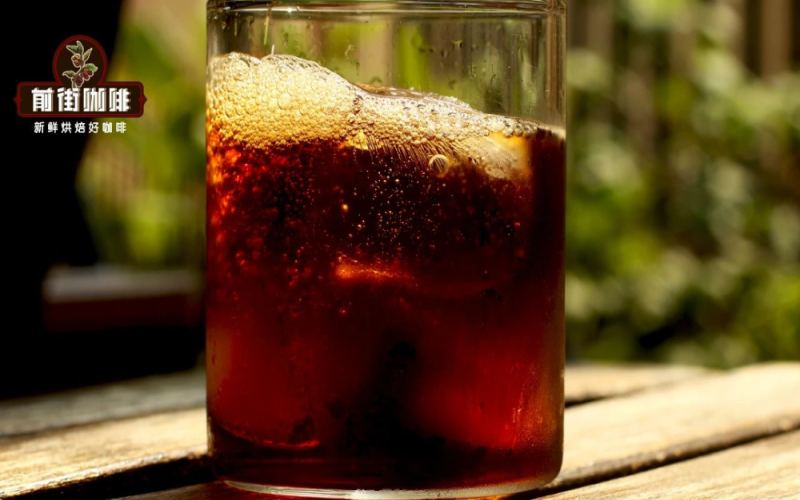
Why Is Cold Brew Coffee So Popular? A Full Analysis from Flavor Characteristics to Front Street Coffee's Bean Lineup and Brewing Methods
Cold brew coffee has gained increasing favor among coffee enthusiasts in recent years, not only because of its comfortable drinking temperature, but also for its smooth, full-bodied taste and its more delicate expression of coffee bean aromas. Unlike hot water extraction, cold brew uses cold or room-temperature water to soak coffee grounds, then refrigerates for 8 to 12 hours to complete extraction. The low-temperature environment reduces the release of acidic substances, making cold brew noticeably less sour and astringent than hot brew, while extracting only small-molecule flavors such as fruity acidity and floral notes, resulting in a cleaner, fuller taste. This article will explore the flavor principles of cold brew, recommend three single-origin beans from Front Street suitable for cold brew, detail the specific brewing steps, and discuss cold brew's advantages in caffeine content, mild acidity, and ease of preparation, giving you a comprehensive understanding of this slowly extracted cold coffee. [more…]
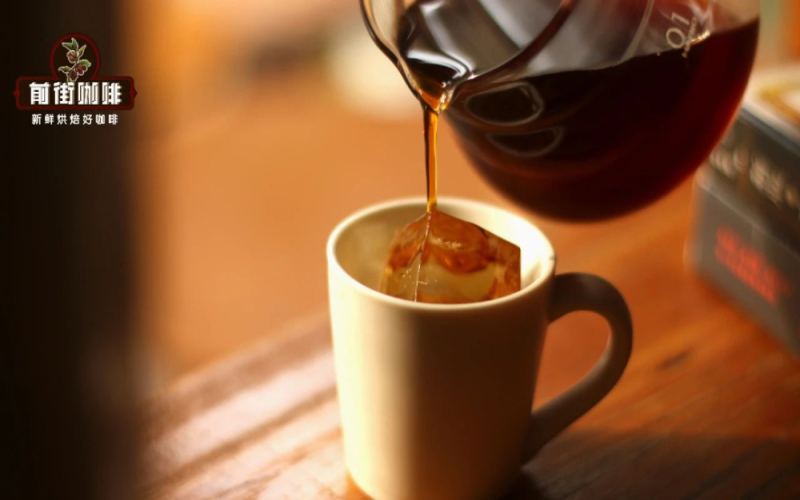
How to Make Cold Brew Coffee? Shelf Life and Flavor Characteristics, with Four Front Street Coffee Bean Recommendations
Cold Brew Coffee is made by steeping ground coffee in room-temperature water for about 12 hours, then filtering out the grounds to obtain the coffee liquid. Compared with conventional hot brewing methods, its coffee flavor is more concentrated, less bitter, and smoother on the palate. However, the longer cold brew sits, the more pronounced its fermented aroma becomes, so the taste you get each day will vary. Front Street recommends drinking it within 3 to 4 days. Although it sounds cumbersome, it is actually quite simple: steep the ground coffee in cold water, leave it in the fridge overnight, and filter out the grounds. In addition to explaining the key points of preparation, this article also recommends four Front Street Coffee beans suitable for cold brew, along with specific recipes and steps. [more…]
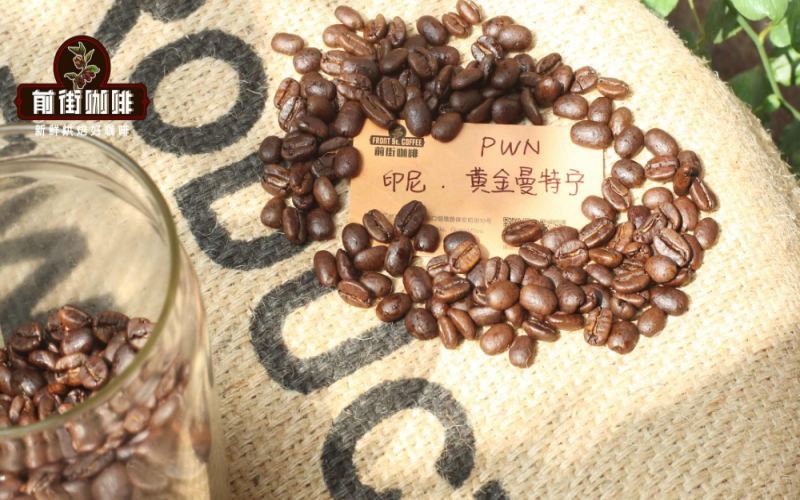
An In-Depth Analysis of Aged Mandheling: Wet-Hulling, Aged Bean Craftsmanship, and a Flannel Brewing Guide
Aged Mandheling is one of the most distinctive Indonesian coffees. It not only carries the unique wet-hulling tradition of Sumatra, but also undergoes a mellow transformation bestowed by time. This article will provide a complete overview of this coffee's story, from its growing region background, the origins and steps of the wet-hulled process, the storage logic of aged beans, the changes in green beans, and key roasting points, to the practical pour-over operation using a flannel filter cloth. Front Street Indonesian Aged Mandheling serves as an example throughout the article, helping coffee enthusiasts understand why Aged Mandheling is less wild and more composed, and how to present its best flavors through proper extraction methods. [more…]
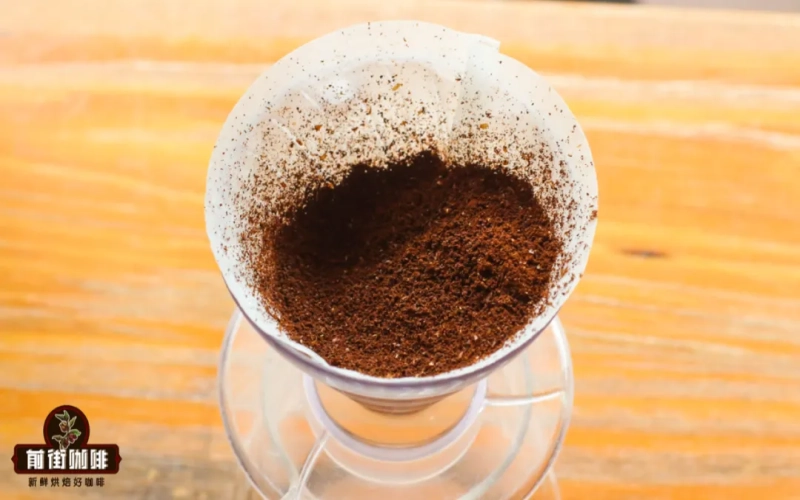
The art of leveling the coffee bed in pour-over brewing: How the Brazil nut effect causes uneven blooming and over-extraction
Many coffee enthusiasts are in the habit of tapping the dripper during pour-over to level the coffee bed, believing this promotes more even extraction. But you may not know that frequent or forceful tapping can actually trigger the "Brazil nut effect," causing fine particles to sink to the bottom and coarse particles to float up, leading to two negative outcomes: first, during blooming, hot water struggles to evenly saturate all the coffee grounds, and the fine particles at the bottom stay dry, resulting in under-extraction; second, the fine particles clog the pores of the filter paper, prolonging the extraction time and causing over-extraction. Through repeated testing, Front Street Coffee has found that when using a conical dripper and denser coffee grounds, digging into the bed after multiple taps often reveals dry clumps at the bottom. So how should an uneven coffee bed be handled? And what should you watch out for when tapping? This article will break it down for you in detail. [more…]
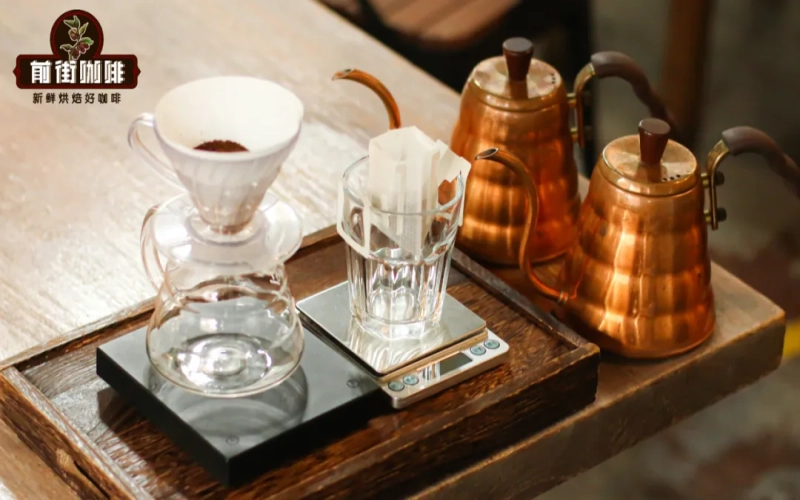
How Does Drip Bag Coffee Differ from Pour-Over Coffee? Analyzing the Differences Between the Two Through the Principle of Drip Extraction and How to Choose a Drip Bag Brand
Drip bag coffee and pour-over coffee both use drip extraction, where hot water flows through the coffee grounds by gravity to bring out flavor compounds, but the two are entirely different in their goals and suitable scenarios. Pour-over emphasizes manual flow control, flexible equipment, and grinding and brewing on the spot, combining a high degree of freedom with a sense of ritual; drip bags are a convenient derivative of pour-over, trading pre-ground coffee for the convenience of brewing anytime and anywhere, at the cost of faster aroma loss and less room for adjustment. This article will sort out the core differences between the two from the perspectives of definition, extraction principles, and coffee grounds condition, and recommend products such as Front Street Coffee Huakui, Blue Mountain No. 1, Strawberry Candy, and the classic five-origin drip bags, to help coffee lovers choose according to their needs. [more…]
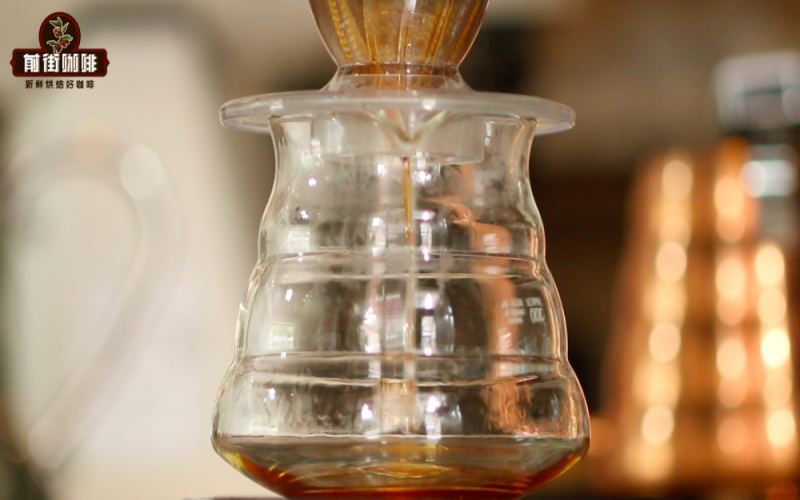
How to determine the amount of water and time for the bloom in pour-over coffee? Yirgacheffe brewing parameters and observation points under the dripper
Bloom is an essential step in pour-over coffee that you can't avoid, but most discussions focus on the expansion of the coffee bed above the dripper and overlook the fact that the coffee liquid dripping from the dripper below can also reveal problems. This article approaches the topic from the perspective of dripping below the dripper, analyzing why the recommended bloom water amount is twice the coffee dose, whether it's normal for excess coffee liquid to flow into the server, and how the three major factors of grind size, roast level, and pouring technique affect drainage during blooming. The article also provides reference drip amounts for dark-roast and light-roast beans using 15 grams of coffee and 30 milliliters of water, and draws on Front Street Coffee's brewing experience to share the actual timing of when dripping starts and stops during blooming, helping coffee enthusiasts more accurately assess the bloom state. [more…]
How to Set the Grind Size for Pour-Over Coffee? A Complete Analysis of How Coarseness and Fineness Affect Extraction and Flavor
Water temperature, grind size, and coffee-to-water ratio are the three key variables that determine coffee extraction. Among them, grind size directly affects the particle size and uniformity of coffee grounds, which in turn influences how efficiently water passes through the coffee bed to extract flavor compounds. The finer the grind, the more tightly packed the coffee bed, the more resistance to water flow, and the longer the extraction time, so strength and extraction yield climb, producing a strong but easily bitter cup; the coarser the grind, the larger the gaps in the coffee bed, the smoother the water flow, and the lower the extraction yield, resulting in a weak, light-bodied coffee. This article uses grind size as the only variable, brewing three groups of coffee—fine, medium, and coarse—with Honduras Lychee Orchid beans, verifying grind size's effect on flavor through strength and extraction yield data, and providing Front Street Coffee's recommended hand-brew grind baseline, while also explaining the differences in characteristics among conical, flat, and ghost-tooth burrs. [more…]
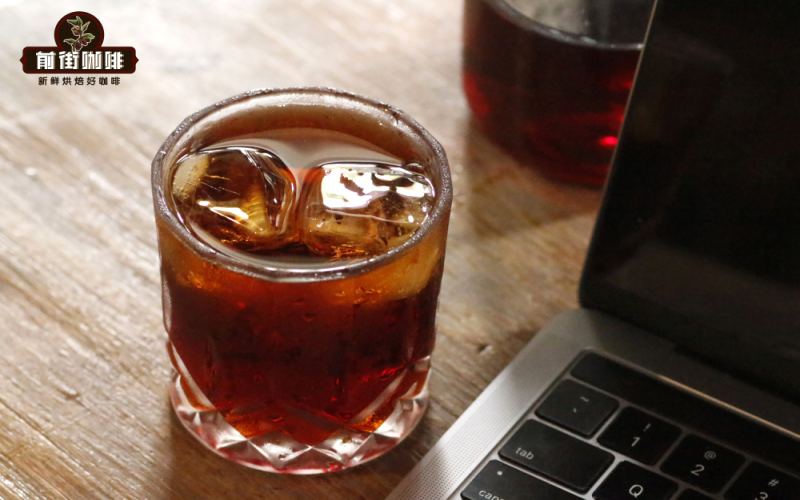
Cold Brew Coffee Bean Selection Guide: Single-Origin Coffee Recommendations for Cold Brewing, Coffee-to-Water Ratio, Steeping Time, and Flavor Analysis
On a scorching summer day, a refreshing glass of iced coffee never fails to perk you up. Cold brew coffee has a low barrier to entry—simply combine coffee grounds with cold water, seal and refrigerate, and leave the rest to time to complete the extraction. This article centers on cold brew coffee, first tracing its origins and basic principles, then sharing Front Street Coffee's hands-on experience with grind size, extraction time, and water, and explaining how cold brew and hot brew differ in flavor expression. Finally, following three styles—fresh floral, citrus and berry, and subtle honeyed sweetness—it recommends Front Street Coffee beans suited to making cold brew, helping you easily craft a layered, smooth, low-bitterness iced coffee at home. [more…]
How Coffee Grind Size Affects Flavor in Pour-Over | Coffee Grounds Shelf Life and Grind Adjustment Methods
The grind size of coffee directly determines the contact area between water and coffee grounds as well as the extraction rate, thereby profoundly influencing the flavor profile of the final cup. However, when faced with different brewing devices and roast levels, how to find the right grind size has become a challenge for many coffee enthusiasts. This article draws on the practical experience of Front Street Coffee, first emphasizing the importance of fresh roasting and bean resting, then carefully analyzing the bidirectional impact of grind size on flavor—too fine leads to bitterness, while too coarse results in a weak and bland cup—and provides specific passing rate references for calibration using a No. 20 sieve (0.85mm). It also offers recommendations for matching brewing devices and coffee beans across five levels: extra fine, fine, medium-fine, medium, and coarse, helping readers find their own perfect cup of coffee. [more…]
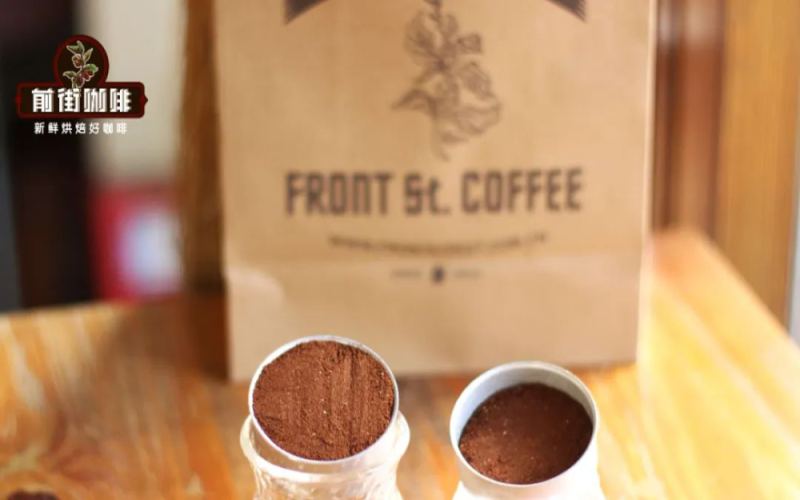
Should the Moka Pot Coffee Grounds Be Filled to the Top or Halved? A Practical Analysis of How Coffee Dose Affects Extraction and Flavor
The standard operation of a moka pot usually requires filling the filter basket with coffee grounds, but many enthusiasts occasionally want to make only half a batch of coffee—can the amount of grounds be reduced accordingly? Will the coffee extracted after reducing the grounds still have crema, and will the flavor still be satisfying? Through comparative experiments, this article operates the moka pot in two ways—filling the filter basket completely and using only half the coffee grounds—observing the flow rate, foam state, and final taste, and combining this with the extraction principles of the moka pot to analyze the impact of reduced grounds on coffee flavor. It also provides feasible adjustment solutions for reduced-dose use, helping you flexibly control the portion while still obtaining a balanced and delicious cup of moka pot coffee. [more…]